Technology
Computer Vision for Corrosion Detection: What the Model Learns to See
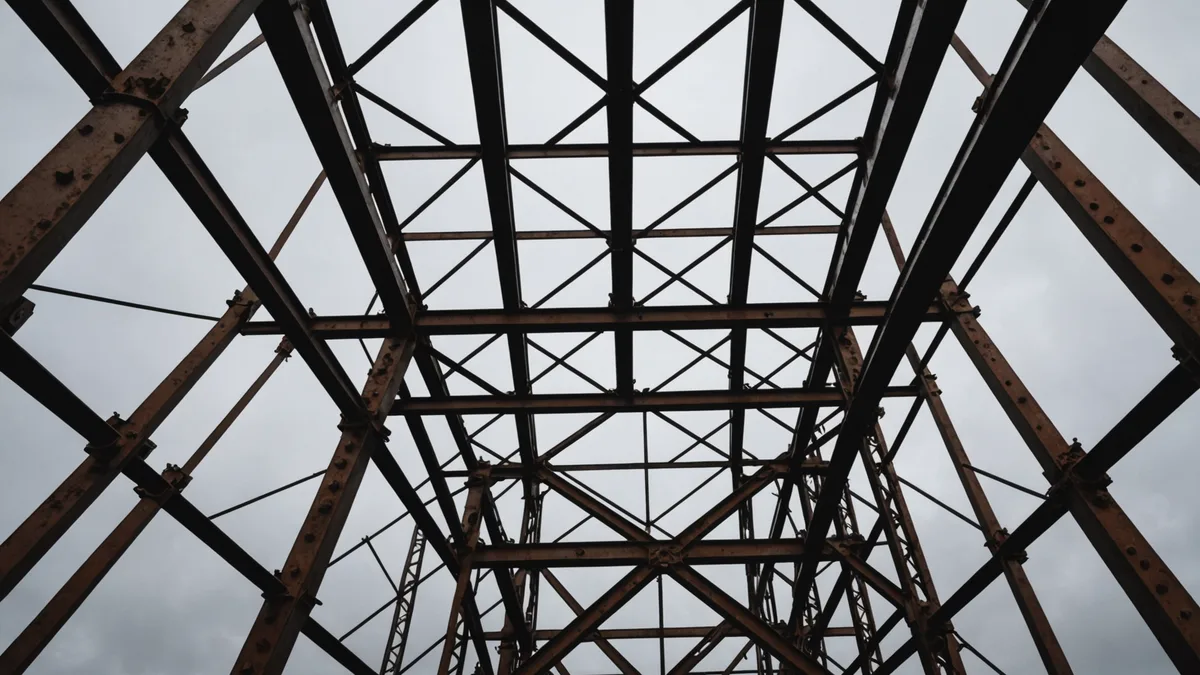
Detecting surface pitting before it progresses to structural risk requires more than standard object detection.
Technical writing on autonomous inspection, computer vision for infrastructure, and the practical challenges of building robots for industrial environments.
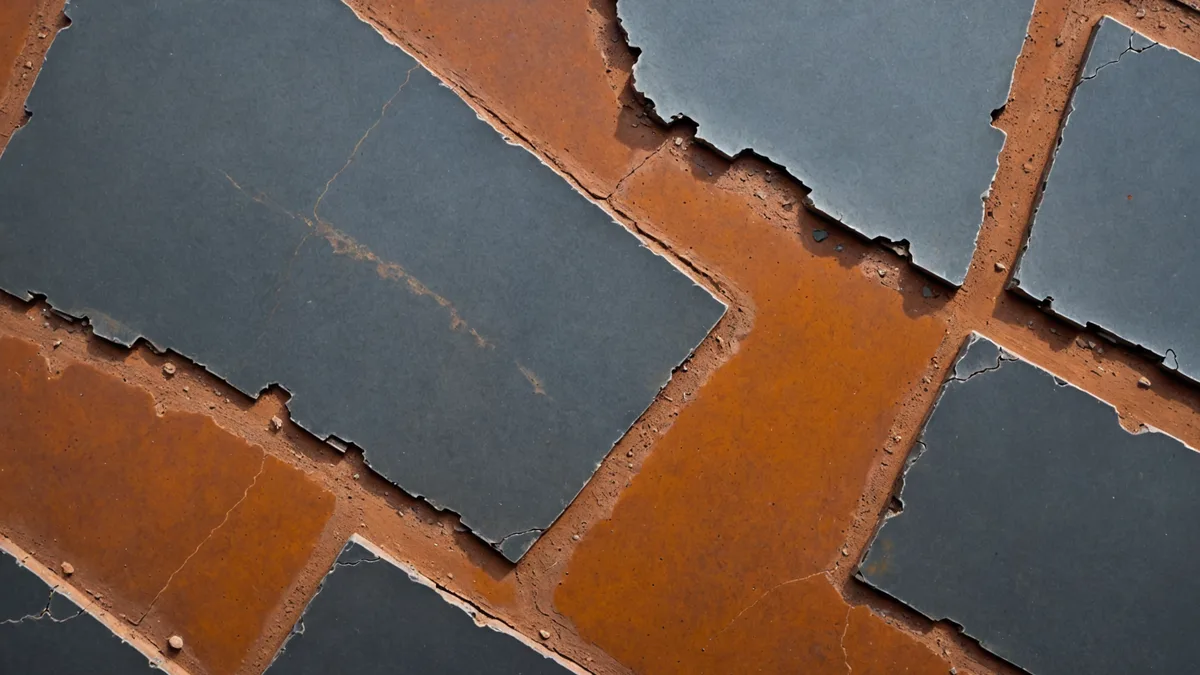
Detecting surface pitting before it progresses to structural risk requires more than standard object detection.
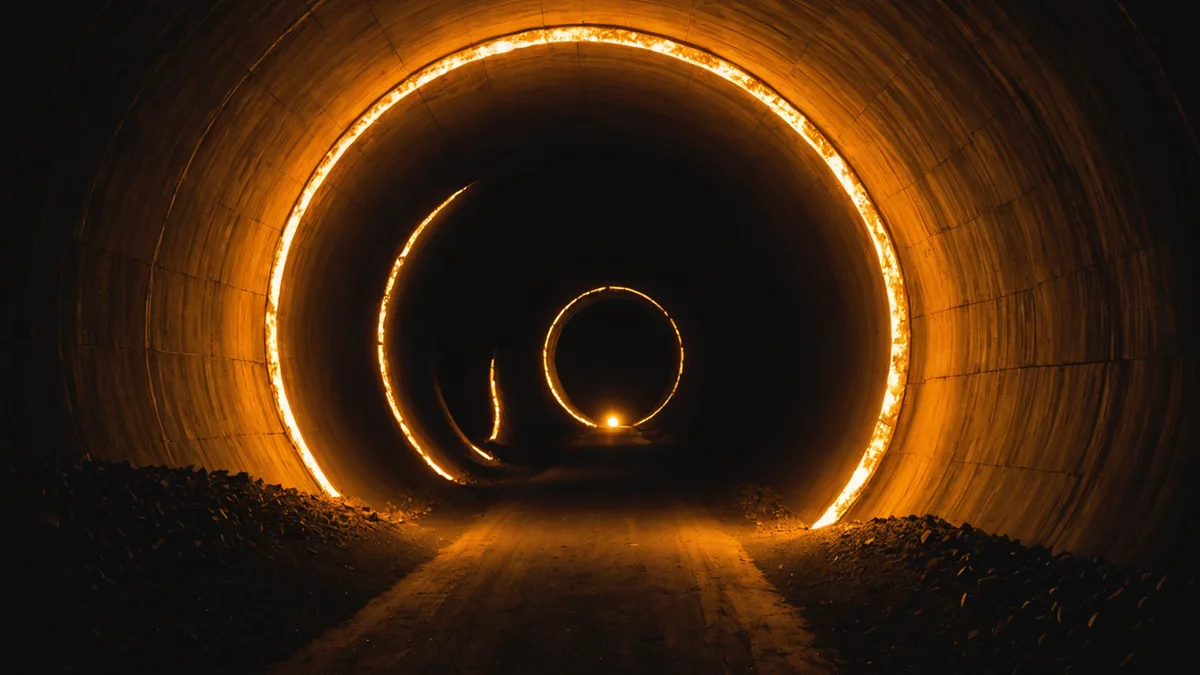
When GPS is unavailable, a robot needs a different way to know where it is.
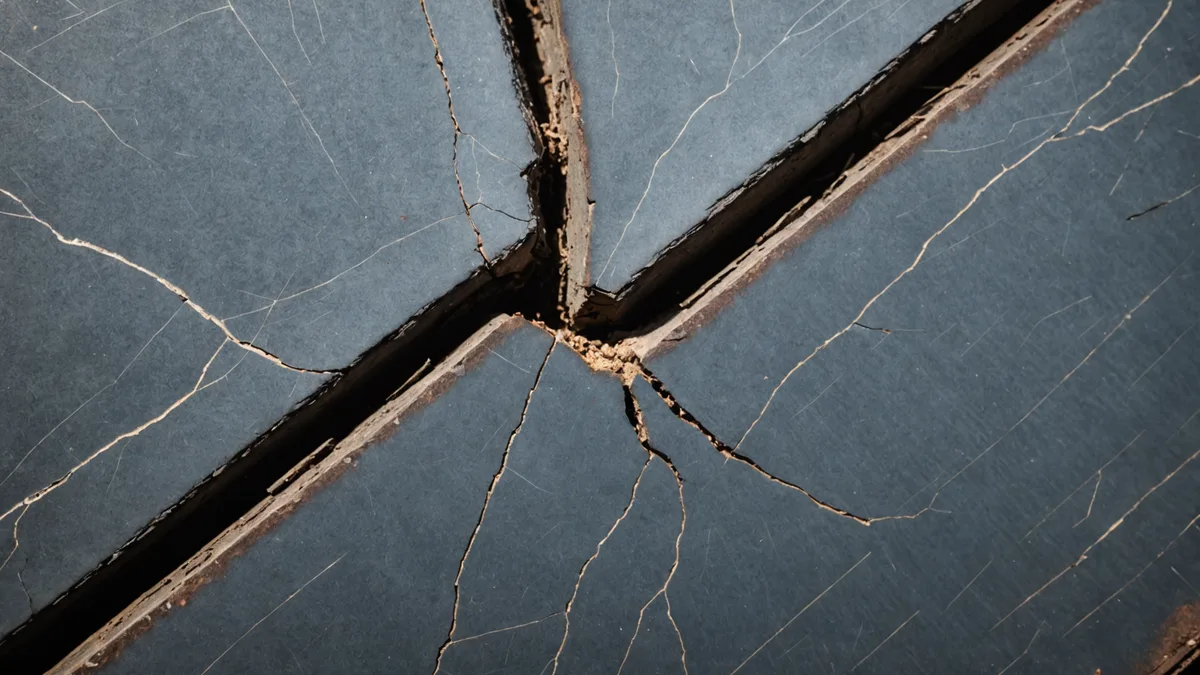
Weld-seam fatigue cracks propagate differently from surface oxidation and require a different detection approach.
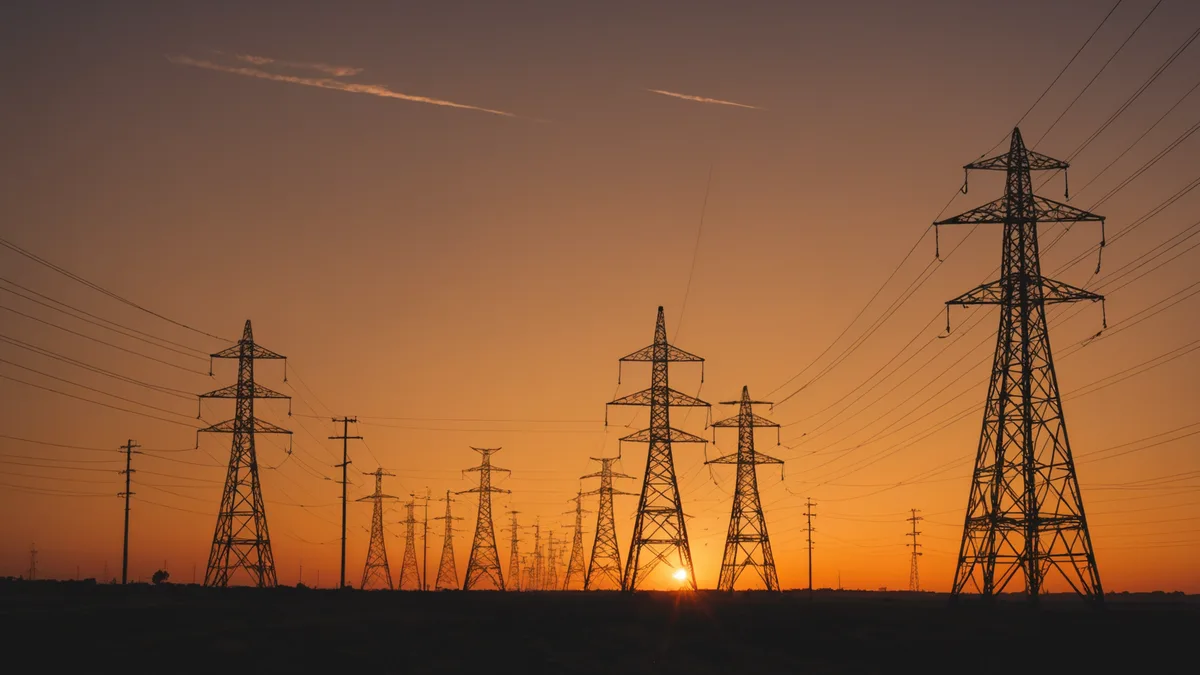
The direct cost of a rope-access inspection team is visible. The costs of scheduling delays and coverage gaps are harder to quantify.
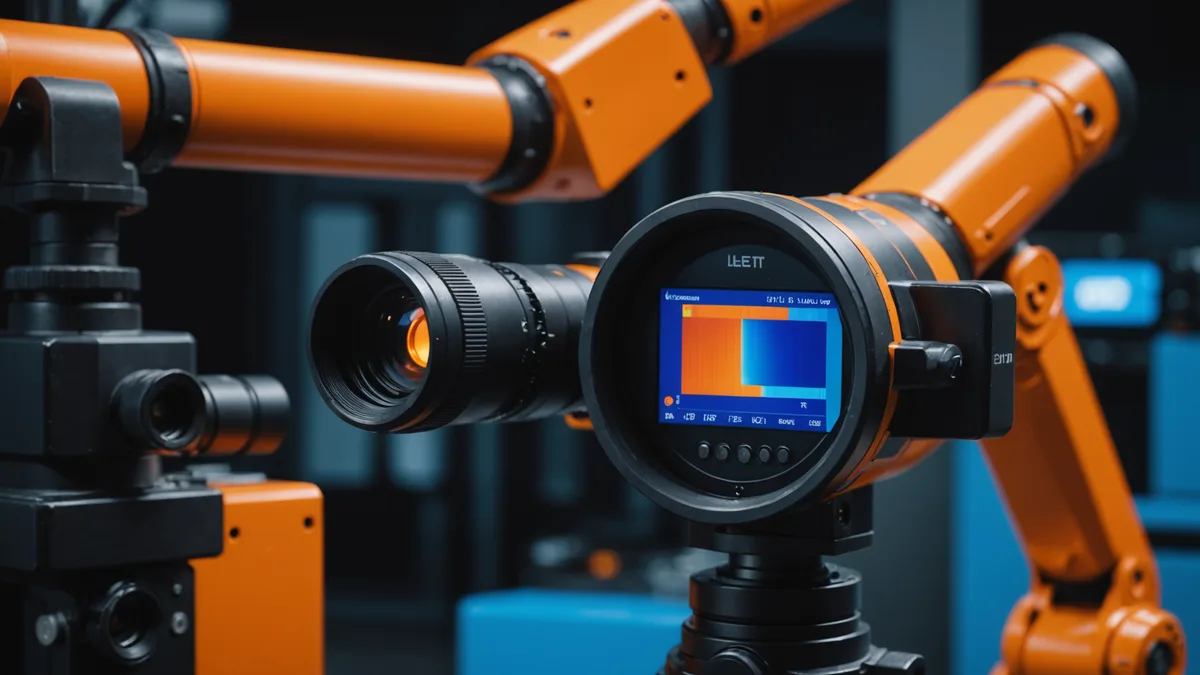
Non-destructive testing from a moving robot platform introduces noise and coverage gaps that no single sensor can handle alone.
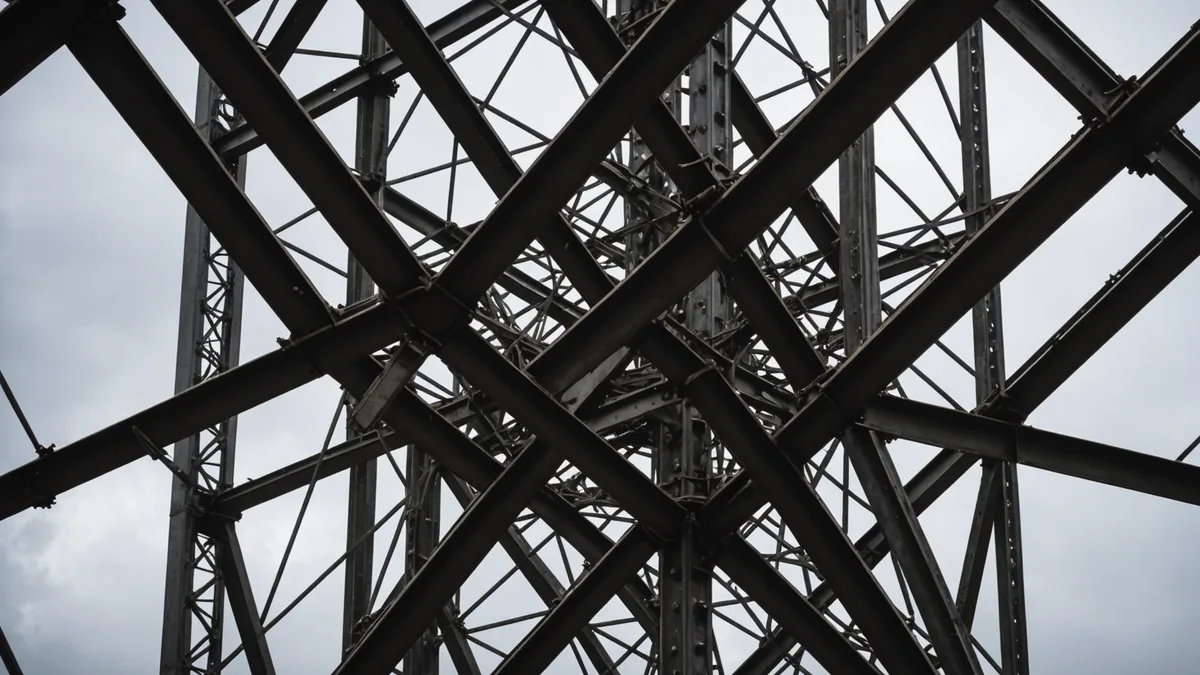
A transmission tower inspection robot faces mechanical constraints that standard mobile robot design does not address.
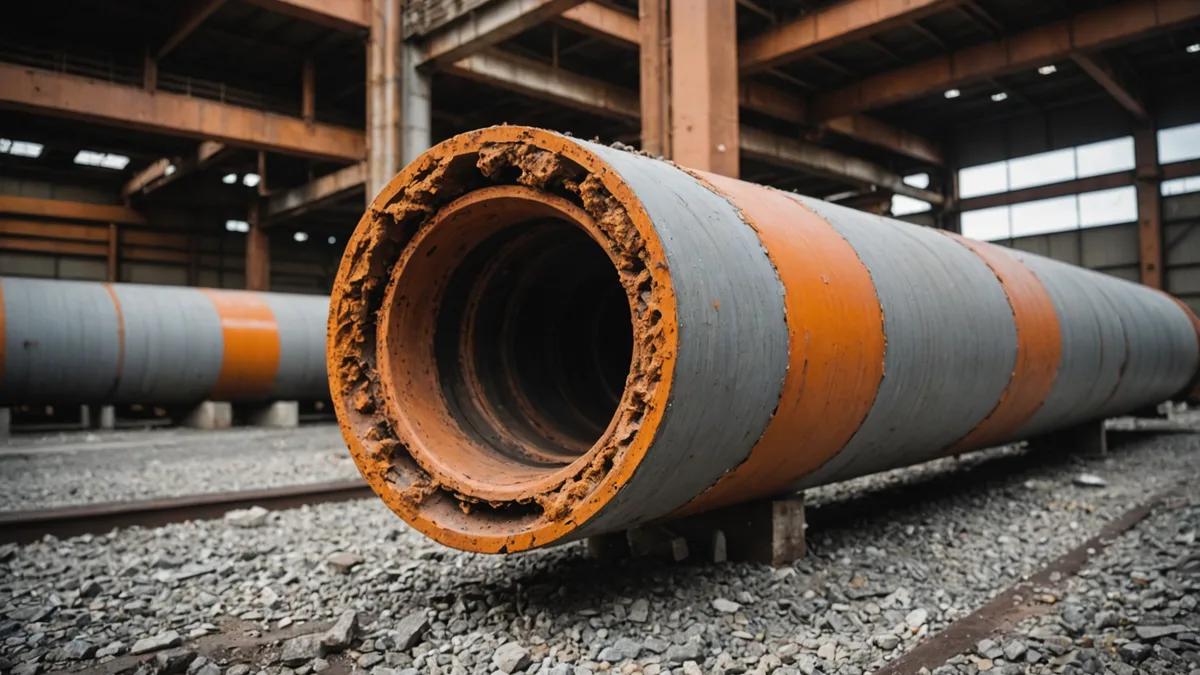
Corrosion that develops under insulation wrapping is among the most dangerous and underdetected failure modes in industrial pipeline systems.
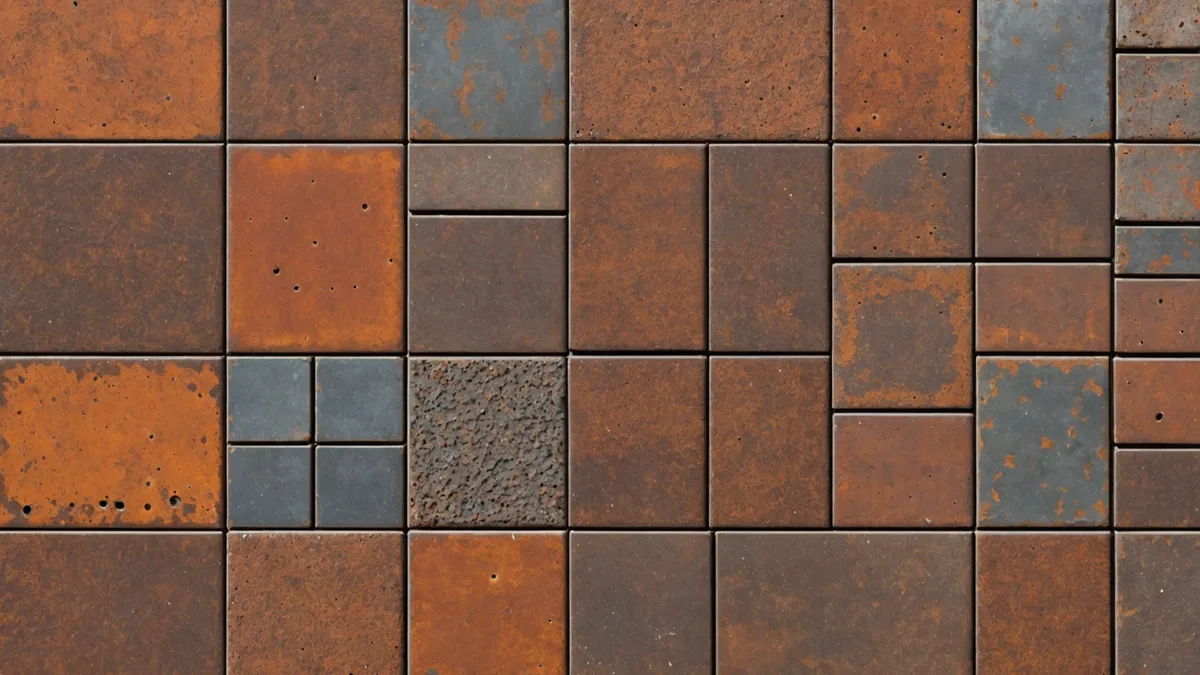
A detection model is only as good as its training data. Building a useful dataset requires decisions about annotation taxonomy and coverage of rare defect morphologies.
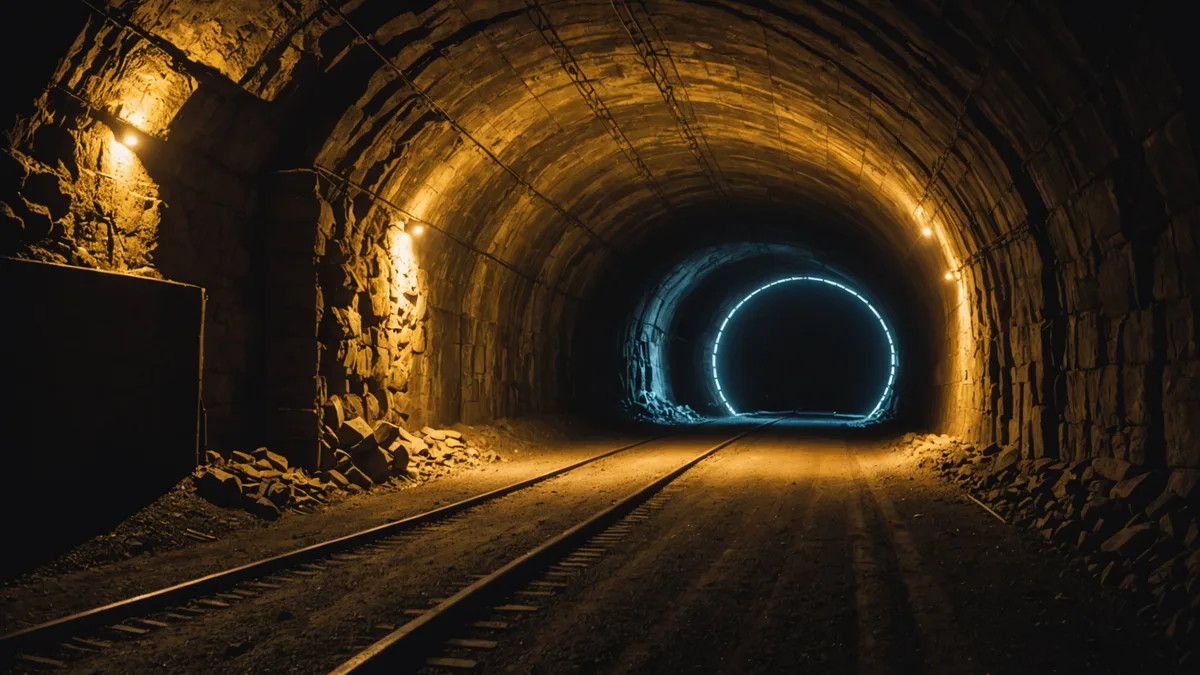
A robot that inspects underground mine corridors cannot transmit data in real time. This post covers the edge-first data pipeline.

Pittsburgh has one of the deepest concentrations of robotics engineering talent in the world.
Shifters AI is building autonomous robots for the inspection environments that are hardest to reach and most critical to maintain.