Inspect steel towers and pipelines without sending crews up.
Shifters AI builds autonomous climbing and crawling robots that spot corrosion and cracks at the source, so your maintenance team stays on the ground.
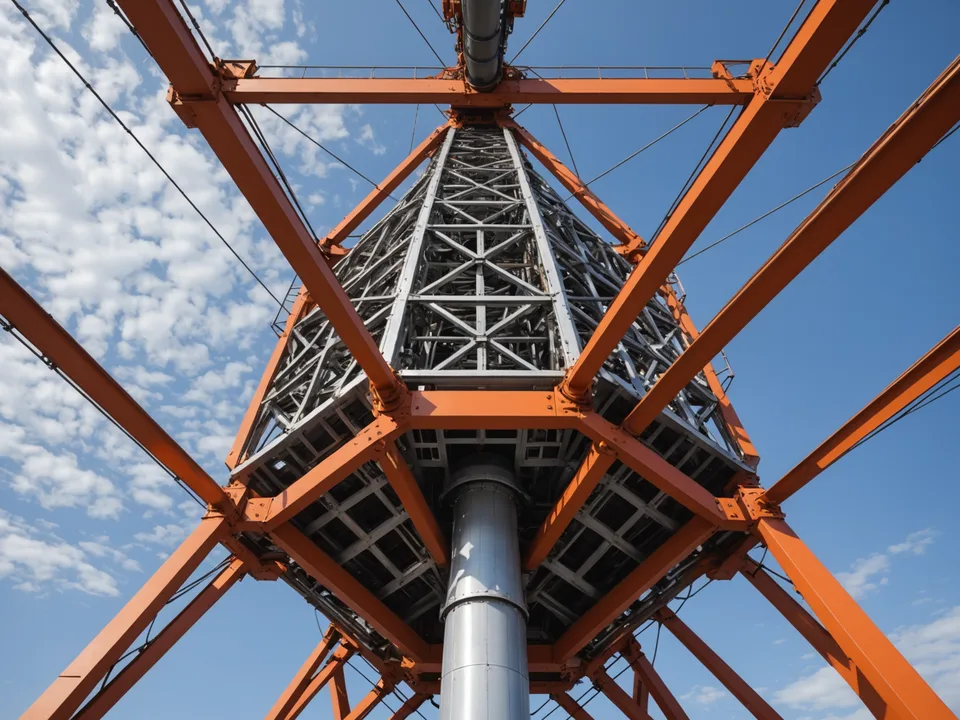
Manual inspection puts your crews in the most dangerous position possible
- Rope-access teams spending hours on transmission lattice in wind and rain
- Coverage gaps at bolt seats, anchor bases, and interior pipeline sections where human reach fails
- Inspection backlogs growing as qualified climbers become harder to staff
Three deployment environments. One robot platform.
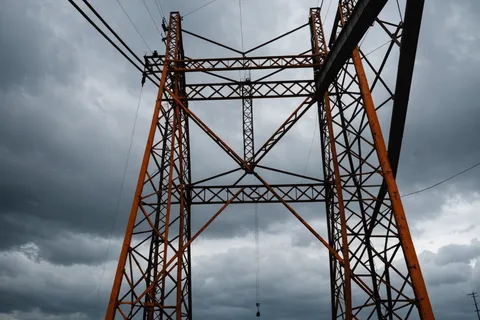
Power Towers
Climbs transmission lattice steel, reaches every joint and cross-member, flags surface deterioration in real time.
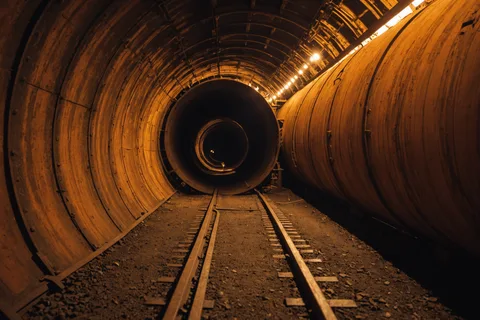
Pipelines
Crawls interior pipe runs with continuous wall-contact sensors, covers sections no human inspector can enter.
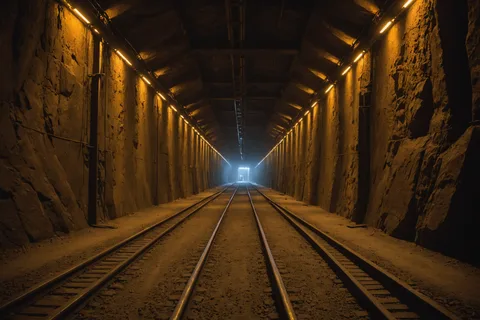
Mines
Operates in confined underground corridors without GPS, dust-tolerant optical stack, tethered power for extended runs.
Computer vision trained on infrastructure defect morphology
The onboard CV model classifies surface pitting, oxidation banding, and fatigue crack patterns from imagery captured at climbing speed. Defects are geotagged and grouped by severity before the robot completes its run.
Explore the TechnologyDeploy. Climb. Report.
Deploy
Mount the robot at the tower base or pipeline entry point. Set mission parameters in the web portal.
Climb and Inspect
The robot navigates autonomously, capturing imagery at every segment. Onboard CV classifies defects in real time.
Receive Report
Structured inspection report with a defect map, severity tiers, and GPS-linked coordinates delivered within minutes of run completion.
What the robot detects
Detection categories based on the defect taxonomy the CV model was trained on.
-
Surface pitting: early-stage corrosion formation in steel substrate
-
Oxidation banding: galvanic corrosion zones at dissimilar metal contacts
-
Fatigue crack propagation: weld-seam and stress-concentration fracture patterns
-
Coating failure: delamination and micro-blistering before visual pop-off stage
-
Mechanical joint wear: bolt-seat corrosion and loose-fitting indicators
Built by engineers who have worked inside industrial robotics problems

Ofer Ballin
CEO & Co-FounderYears working on the commercial and deployment side of autonomous systems, with focus on qualifying robotics products with industrial operators.

Priya Nambiar
CTO & Co-FounderYears designing autonomy stacks for mobile robots operating in unstructured industrial environments. Specific depth in sensor fusion and chassis design.

Erik Lindqvist
Head of PerceptionSpent years building computer vision models for industrial inspection applications. Deep background in defect detection dataset construction.
We are selecting infrastructure operators for our first pilot cohort
If you operate transmission corridors, buried pipeline networks, or underground mining infrastructure, we want to understand your inspection workflow. Pilot partners work directly with our engineering team.
Apply for Pilot Access