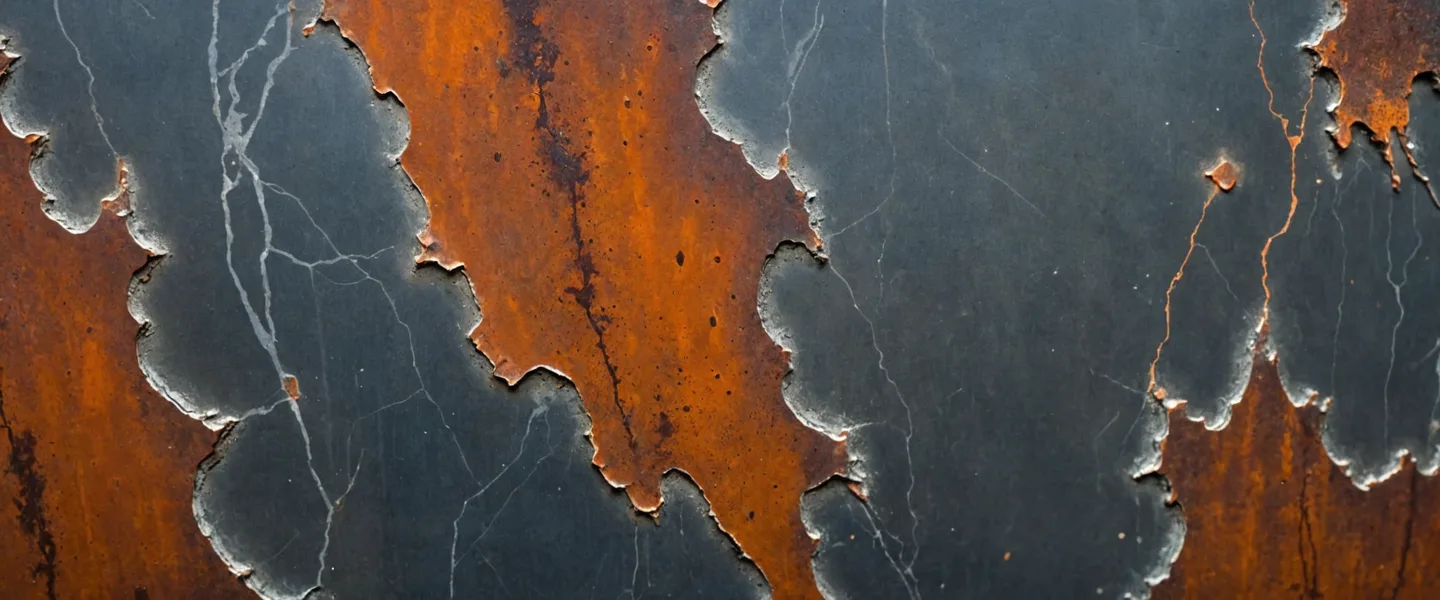
Defect detection trained on real infrastructure imagery
The perception stack combines a fine-tuned visual model with sensor fusion to classify corrosion, cracking, and mechanical wear in real time as the robot moves.
Computer vision fine-tuned on infrastructure defect taxonomy
We built our training dataset from annotated imagery of transmission steel and pipeline surfaces, covering corrosion morphology types observed in the field. The model distinguishes early-stage pitting from advanced oxidation, flags crack propagation vectors, and identifies coating failure modes that precede structural risk.
From robot sensor to maintenance report in minutes
Imagery and sensor readings feed an edge processor that runs defect classification, geotags each finding against the robot position log, and assembles a structured report. For underground operations, data is buffered on-device and uploaded when the robot returns to surface connectivity.
Built to operate where maintenance teams cannot stay
The chassis operates in corrosive atmospheres, high-humidity mine environments, and outdoor tower runs in adverse weather. IP-rated enclosures protect the optics and compute stack. Power comes via tether for underground and long-duration runs; onboard battery for shorter tower inspections.
Want to understand the perception architecture in depth?
We are happy to walk your engineering team through the detection stack and how it handles your specific asset types.
Contact Engineering