Today we are announcing Shifters AI publicly. We are building autonomous inspection robots for transmission towers, pipeline interiors, and underground mine corridors. This is a brief description of what we are building, why we chose these three environments, and where we are in the process.
The Problem We Are Solving
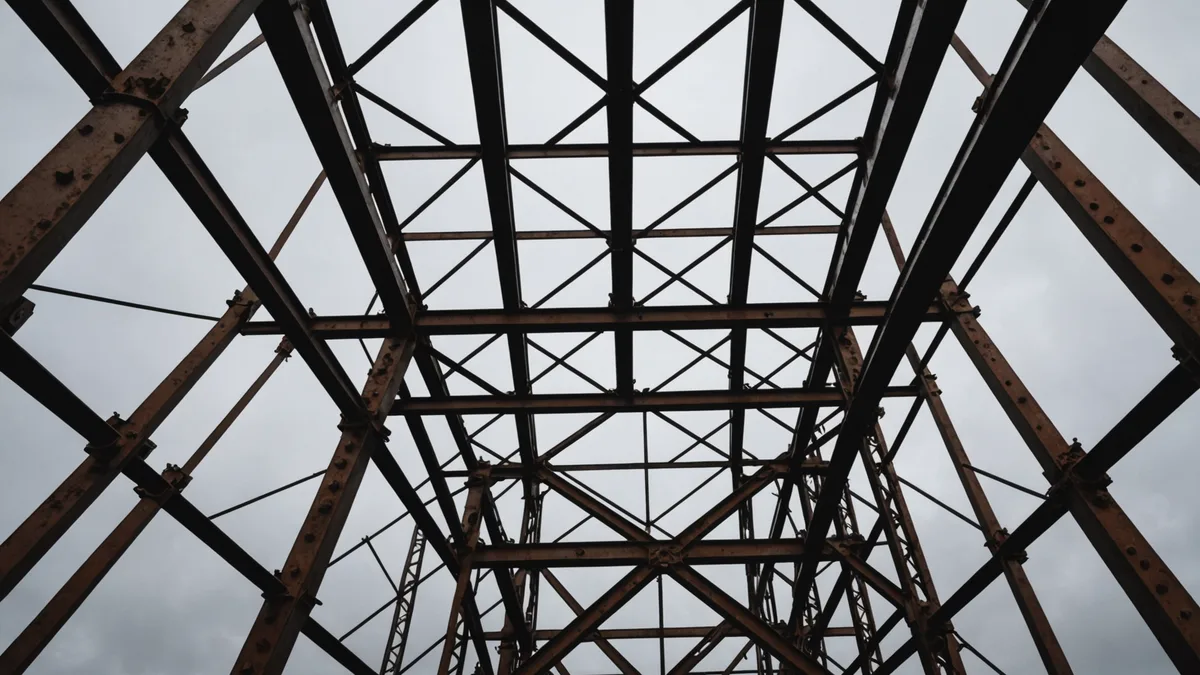
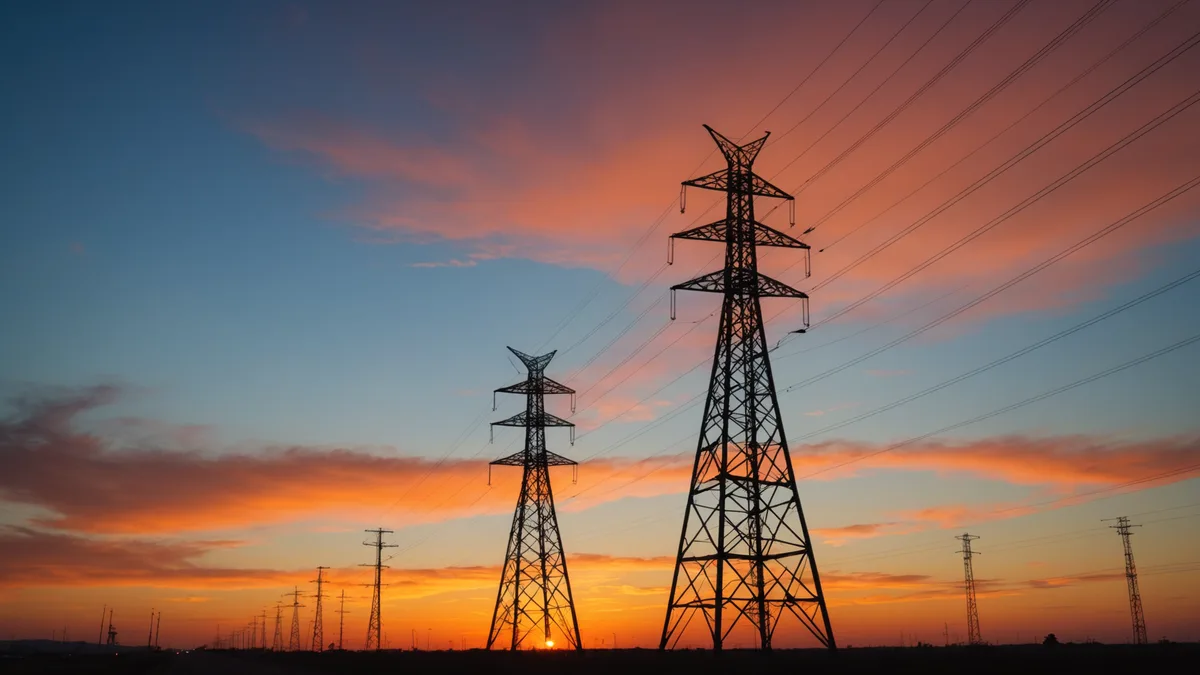
Manual inspection of critical infrastructure carries physical risk that is not necessary. Transmission tower inspection requires qualified climbers to ascend lattice steel structures up to 60 meters, often in adverse weather conditions, to visually assess surface conditions and hardware integrity. Pipeline interior inspection requires workers to enter confined spaces or to work around flooded or pressurized sections that limit access. Underground mine corridor inspection involves workers going into environments with limited egress, uncertain ground conditions, and atmospheric hazards.
These tasks are not being done this way because no better option exists as a physical matter. They are being done this way because the automation of unstructured-environment inspection, where the robot has to navigate without GPS, handle irregular surfaces, and produce useful defect detection output, has been a genuinely hard technical problem. The required capabilities, specifically autonomous navigation in confined and unstructured environments combined with real-time surface defect detection from moving platforms, have only recently become feasible with available hardware and perception technology.
We are not the first company to attempt inspection robotics for industrial infrastructure. Gecko Robotics does vessel and pipe exterior inspection. Flyability builds drones for confined-space access. Both are solving adjacent problems with their own approaches. We are building for the specific combination of climbing, crawling, and underground navigation that these three environments require, with a focus on the detection quality that determines whether an inspection report is actionable or just a documentation exercise.
Why These Three Environments
We started with transmission towers, underground pipelines, and mine corridors not because they are the only hard inspection environments in industrial infrastructure, but because they share a specific set of properties that make them a coherent product design target.
All three involve structures where human access is either limited, hazardous, or both. All three involve surfaces where the relevant defect modes, corrosion, cracking, and mechanical wear, share enough morphological similarity that a single underlying detection approach covers the inspection problem across environments. And all three have operators who make real capital allocation decisions based on inspection outcomes, which means the inspection report has to be structured and precise enough to drive those decisions, not just document that an inspection occurred.
Power grid infrastructure, oil and gas pipeline networks, and mining operations are also not going away. These are not sunset industries that will be replaced before inspection automation can reach commercial scale. The asset base is large, aging, and growing in the case of the transmission grid, and the inspection burden it represents is substantial. We are not chasing a shrinking problem.
What We Are Building
The core product is a robot platform that carries a modular sensor payload: an RGB camera for surface morphology classification, a thermal imaging module for detecting subsurface and under-insulation conditions, an ultrasonic proximity array for wall contact and navigation feedback, and a 6-axis IMU for position tracking and dead-reckoning navigation in GPS-denied environments.
The grip mechanism combines magnetic attraction for ferromagnetic surface contact with mechanical engagement features for the diagonal bracing members and pipeline wall sections where magnetic grip alone does not provide adequate force margin. The chassis is designed for three deployment geometries: vertical lattice climbing for tower inspection, horizontal pipe-wall crawling for pipeline interiors, and horizontal floor traversal for mine corridor inspection.
The onboard perception system runs defect classification inference on the robot's embedded compute hardware during the run. For underground operations where data cannot be transmitted in real time, inspection records are buffered locally and uploaded when the robot returns to a connectivity-available location. The output is a structured inspection report with defect findings geotagged against the robot's position log, severity-tiered by the classification model, and accessible in a web dashboard within minutes of run completion.
Where We Are Right Now
We are a small team founded in 2023. Priya Nambiar leads the engineering side, bringing years of experience designing autonomy stacks for mobile robots in unstructured industrial environments. Erik Lindqvist leads perception, with background in computer vision and defect detection dataset construction for physical infrastructure inspection applications. We are based in Pittsburgh, which has the robotics engineering talent base and hardware infrastructure that this kind of company needs at the early stage.
The product is in active development. We have a working prototype that we are using for ongoing testing and iteration. We have not yet completed a commercial inspection run, and we are not claiming otherwise. We are at the stage where the technology works well enough to demonstrate the core capability and to understand what needs to improve before operational deployment is appropriate. That is the honest summary.
We are looking to connect with infrastructure operators who are interested in being part of the pilot program we are planning. Pilot partners will work directly with our engineering team. The goal of the pilot program is to run the robot against real infrastructure under real conditions and to generate the operational data that tells us where the system performs to expectation and where it does not. That feedback loop is how we close the gap between prototype performance and deployment-ready performance.
What We Are Not Claiming
We are not claiming that autonomous inspection robots will entirely replace manual inspection workflows in the near term. Rope-access inspection and confined-space entry procedures involve more than just the physical presence of a person at the inspection location. They involve judgment calls made in context, the ability to respond to unexpected conditions mid-inspection, and documentation practices that regulatory frameworks require. A robot that covers a structure and produces a defect map changes the workflow but does not eliminate the need for human judgment about what to do with the findings.
We are also not claiming a specific deployment timeline. Hardware product development involves iteration cycles that cannot be compressed below a certain minimum without sacrificing the quality of the output. We are moving at the pace that allows us to get things right, not the pace that allows us to issue press releases on a predetermined schedule.
What we are claiming is that the technical problem is solvable, that the market for the solution is real, and that we have the right combination of expertise and location to build toward it. The rest we will demonstrate over time.
If you operate transmission infrastructure, pipeline networks, or underground mining facilities and want to discuss the pilot program, reach out to us at [email protected] or through the contact form on this site.